
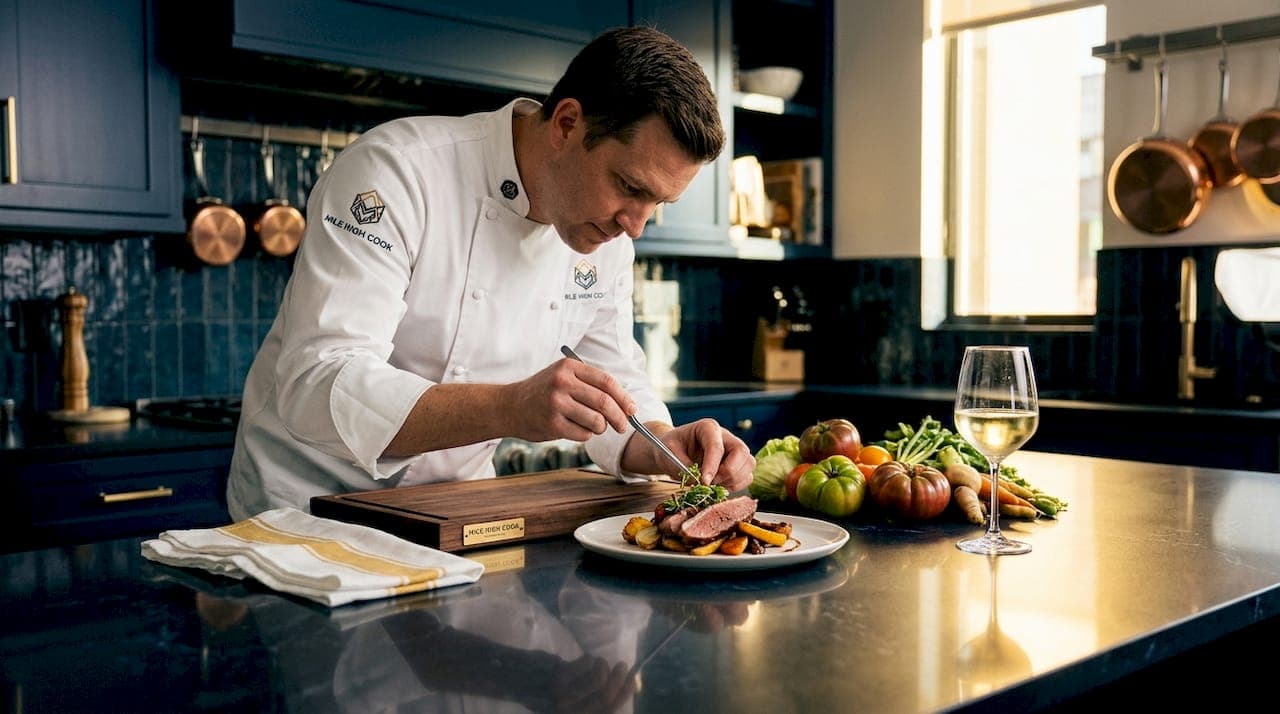
An in-home culinary experience is a personalized, multi-course dining event where a professional chef prepares and serves a complete meal directly in your kitchen, turning your home into a private restaurant for the evening. How this in-home culinary experience unfolds depends on three coordinated phases: kitchen preparation, live cooking and service, and post-meal cleanup. Each phase requires clear communication between host and chef, thoughtful space management, and mutual respect. When these elements align, the result is an intimate gathering that no restaurant reservation can replicate. This guide walks you through every step, so you know exactly what to expect.
How your kitchen sets the stage before the chef arrives
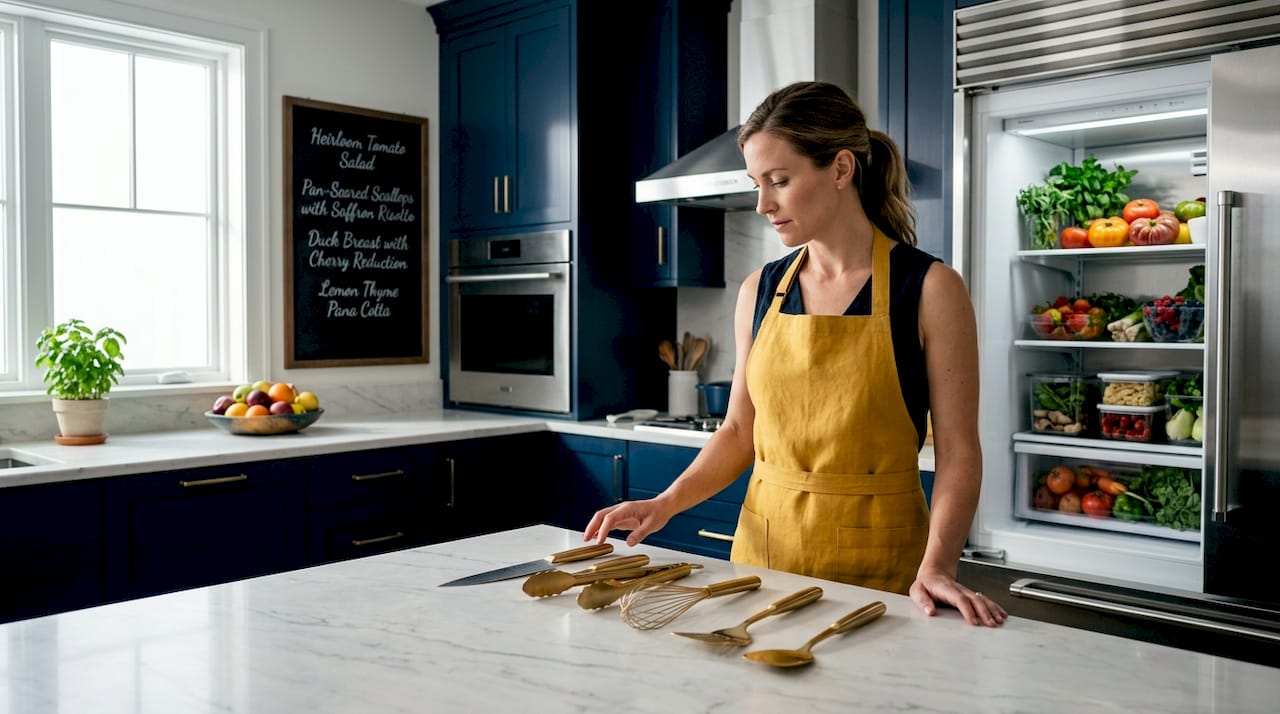
The kitchen preparation phase is where most hosts underestimate their role. A professional chef treats your household kitchen as a temporary professional station with clearly defined zones for prep, cooking, plating, and cleanup. That means your job before arrival is to create those zones, not decorate the table.
Start with these concrete steps:
- Clear every countertop. Remove appliances, mail, fruit bowls, and anything that does not belong in a working kitchen. Chefs need uninterrupted surface area for mise en place, the French practice of organizing all ingredients before cooking begins.
- Check your appliances. Confirm your oven, stovetop, and refrigerator are functioning. If a burner runs hot or the oven temperature is unreliable, tell the chef before service starts, not during.
- Identify key items. Pull out your largest cutting board, your best platters, and any serving utensils the chef might need. Clearing countertops and offering a quick tour of key items like cutting boards and platters are time management strategies that prevent mid-service searching.
- Manage distractions. Pets, children, and extra guests wandering through the kitchen slow everything down. Designate the kitchen as a working zone and keep foot traffic minimal during active cooking.
- Communicate dietary restrictions in advance. Share allergy information, ingredient preferences, and any hard limits at least 48 hours before the event, not when the chef walks through the door.
Pro Tip: Walk through your kitchen the morning of the event as if you were a stranger using it for the first time. Every item you cannot immediately identify or locate is a potential delay for your chef.
The goal of this preparation phase is simple: give the chef a workspace that functions like a professional kitchen, even if it looks like a home one.
How the chef orchestrates the experience from arrival to final course
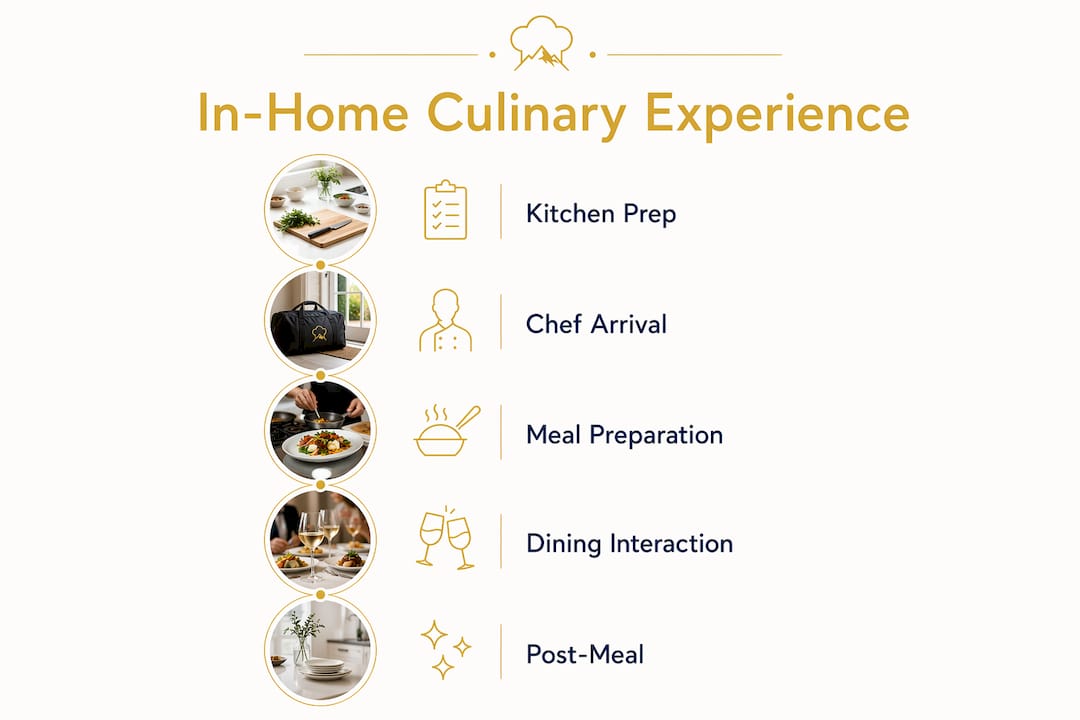
Once the chef arrives, the steps of a culinary experience follow a deliberate sequence. Understanding this sequence helps you stay out of the way at the right moments and engaged at the right ones.
-
Arrival and ingredient handling. The chef arrives 60 to 90 minutes before the first course is served. They unpack ingredients, inspect what is available, and begin organizing the kitchen into working zones. A private dinner party chef with restaurant-caliber training may also bring additional staff for service, so expect a brief introduction and a quick walkthrough of the space.
-
Menu confirmation. Before cooking begins, the chef confirms the menu, checks for any last-minute dietary changes, and establishes the pacing timeline. This is your final opportunity to flag anything you forgot to mention earlier.
-
Active cooking and course progression. The chef moves through each course in sequence, timing the transition between dishes to match your table's pace. A well-run in-home dining experience does not rush. Courses arrive when the table is ready, not when the kitchen is.
-
Plating and service. Each dish is plated with the same attention you would expect at a fine dining restaurant. The chef or a service assistant brings each course to the table, explains the dish, and returns to the kitchen to begin the next preparation.
-
Guest interaction during service. The chef remains available for questions between courses. Many guests enjoy a brief explanation of techniques or ingredients, and most private chefs welcome this conversation as part of the experience.
-
Final course and close. After dessert or the final savory course, the chef begins the cleanup phase while you and your guests linger at the table.
Some in-home formats take this structure further. Homemakase experiences involve 13 to 17 courses priced between $195 and $275 for groups of 4 to 10 guests, replicating a restaurant-grade omakase sequence at home. This format represents the most structured version of private dining, where the chef controls every element of pacing and presentation.
"The best private chef experiences rely on mutual respect, thoughtful preparation, and clear communication between host and chef to create hospitality that feels effortless." — Take a Chef
For couples seeking maximum intimacy, fixed course progression options limit the need for conversation management and let the meal itself carry the evening's emotional arc.
How to interact with your private chef during the event
Host behavior during the cooking and dining phases shapes the entire atmosphere. The etiquette here is specific, and most hosts get it slightly wrong in one of two directions: they hover, or they disappear entirely.
Neither hovering nor disappearing works well. The right approach is a respectful middle ground. Here is what that looks like in practice:
- Stay accessible but not underfoot. Position yourself in the living or dining area during active cooking. Check in briefly between courses if you have a question, but do not station yourself at the kitchen counter watching every move.
- Communicate changes immediately. If a guest develops a sudden dietary concern or a preference shifts, tell the chef directly and calmly. Most experienced chefs can adapt a course with minimal disruption if they hear about it early enough.
- Ask before photographing. Many guests want to document the meal. A quick "do you mind if I photograph the plating?" shows respect for the chef's work and almost always receives a yes.
- Understand professional boundaries. The chef is not a household employee for the evening. They are a skilled professional operating in your space. Treat the interaction the way you would treat a surgeon or a contractor: with trust, respect, and clear communication.
- Tipping is discretionary but meaningful. A tip of 15 to 20% of the service fee, given directly to the chef at the end of the evening, is a generous and appreciated gesture. Unlike restaurants, tipping is not expected, but it signals genuine appreciation.
Pro Tip: If you are hosting a couple's dinner and want the evening to feel truly private, brief your guests in advance on the kitchen boundary. It prevents the awkward drift that pulls people into the chef's workspace mid-service.
For hosts managing a rental property or concierge-style event, the host-chef communication guide from Milehighcook covers additional protocols for multi-guest and property management scenarios.
What happens after the final course
Post-service cleanup is where the in-home dining experience distinguishes itself most clearly from a dinner party you host yourself. Professional chefs typically leave the kitchen cleaner than they found it, washing utensils, wiping counters, and managing trash throughout the process.
Here is what the cleanup phase typically includes:
- Washing and drying all cookware and utensils used during service, with care taken around delicate or heirloom pieces
- Wiping down all surfaces including stovetop, counters, and any splatter areas
- Storing leftover ingredients in labeled containers in your refrigerator, or asking your preference before discarding anything
- Asking before running the dishwasher for items that may be hand-wash only, since discussing cleanup expectations beforehand prevents confusion and contributes to overall satisfaction
After cleanup, the natural closing interaction is a brief conversation with the chef. This is the right moment to offer feedback, express appreciation, and handle any gratuity. Keep feedback specific and honest. Chefs at this level want to know what landed and what could be refined. A vague "everything was wonderful" is kind but less useful than "the third course was the highlight of the evening."
The personal chef service model is built around genuine customization and in-person service, which is what separates it from meal delivery kits or catering drop-offs. The cleanup and closing phase is part of that full-service promise.
Key takeaways
A successful in-home culinary experience requires kitchen preparation, clear communication, and mutual respect across every phase from arrival to cleanup.
| Point | Details |
|---|---|
| Prepare the kitchen in advance | Clear countertops, check appliances, and share dietary restrictions at least 48 hours before the event. |
| Understand the service sequence | Chefs follow a structured progression from arrival through final course, pacing each dish to match the table's rhythm. |
| Find the right interaction balance | Stay accessible without hovering; communicate changes early and treat the chef as the skilled professional they are. |
| Expect full cleanup | Professional chefs leave the kitchen clean, store leftovers, and handle trash as part of the service. |
| Tip directly and specifically | A 15 to 20% gratuity given directly to the chef with specific praise closes the evening on the right note. |
Why the details of this experience matter more than most people expect
I have spent years watching people book private chef dinners with high expectations and then inadvertently undercut the experience in the first 20 minutes. The most common mistake is treating the event like a catered party rather than a collaborative hospitality moment.
The kitchen preparation step is where I see the biggest gap. Hosts spend hours on table settings and wine selection, then hand the chef a cluttered workspace with a broken burner and no cutting board in sight. The chef adapts, because that is what professionals do, but the first 30 minutes of service carry that friction forward. Every delay in setup compresses the pacing of every course that follows.
What I find genuinely underappreciated is the emotional design of a well-paced multi-course meal. When a chef controls the timing between courses, they are not just managing food. They are managing the rhythm of your conversation, the arc of the evening, the moments when you lean in and the moments when you sit back. That is a skill most restaurant diners never notice because the dining room absorbs it. At home, with four people at a table, you feel every beat of it.
The couples who get the most out of a private dining experience are the ones who let go of the host instinct. You do not need to manage the evening. That is exactly what you hired someone else to do. Your job is to be present, curious, and willing to be surprised by what arrives next.
— Stephen
Experience private dining at its best with Milehighcook
Milehighcook brings CIA-trained private chefs directly to your home across 30+ markets, including catering in Vail, Boulder, and Denver, as well as Aspen, Park City, and beyond. Every booking includes groceries, chef fees, service staff, and complete cleanup under one all-inclusive price, so there are no surprises at the end of the evening.
With a 4.9-star rating across more than 65 verified reviews, Milehighcook delivers a consistent standard that marketplace models cannot guarantee. Whether you are planning an intimate dinner for two or a special occasion for a small group, the private chef experience is ready to come to you. Visit milehighcook.net to explore menus and check availability in your area.
FAQ
What does a private chef do when they arrive at your home?
A private chef arrives 60 to 90 minutes before the first course to unpack ingredients, organize the kitchen into working zones, and confirm the menu with the host. This setup phase is critical to the pacing of every course that follows.
How many courses does a typical in-home dining experience include?
Most private chef dinners include 3 to 5 courses, though structured homemakase formats can run 13 to 17 courses for groups of 4 to 10 guests. The number of courses is typically agreed upon during the booking and menu consultation process.
Do you need to tip a private chef after the meal?
Tipping a private chef is not required but is genuinely appreciated. A gratuity of 15 to 20% of the service fee, given directly to the chef at the end of the evening, is considered a generous and meaningful gesture.
How should you prepare your kitchen before a private chef arrives?
Clear all countertops, pull out key tools like cutting boards and platters, check that appliances are working, and share all dietary restrictions at least 48 hours in advance. A quick kitchen tour when the chef arrives helps them locate everything without interrupting service.
Can you interact with the chef during the meal?
Yes, and most chefs welcome brief conversation between courses. The key is finding a respectful middle ground: stay accessible without hovering in the kitchen, and ask before photographing dishes or plating moments.