

TL;DR:
- Managing dietary restrictions at corporate events involves early data collection, inclusive menu design, and clear communication with caterers. Building allergen-friendly dishes as the default reduces social friction and ensures all guests are accommodated safely. Contingency plans, including backup meals and supplier contacts, are essential for last-minute disclosures and unforeseen needs.
Dietary restriction management is the process of collecting, communicating, and accommodating the food needs of every attendee at a corporate event. Done well, it prevents allergic reactions, removes social friction, and signals to your team that their needs matter. Done poorly, it creates liability, wastes food, and leaves guests hungry. Dietary restrictions corporate event best practices have shifted from reactive fixes to proactive, inclusive planning, driven by experts like Chef Christian Rumpler and event strategist Amelia Warfel, who both advocate building accommodation into the menu from the start.
1. Collect dietary data at the right time
The single biggest mistake event planners make is asking about food needs too late. Collect dietary data 5–10 days before small events and 1–3 months before large corporate conferences. That timeline gives caterers enough runway to source specialty ingredients, adjust prep protocols, and avoid last-minute substitutions that introduce errors.
The data you collect must go beyond a simple checkbox. Ask attendees to specify:
- Allergies (nuts, shellfish, eggs, dairy, soy, wheat)
- Intolerances (gluten, lactose)
- Religious requirements (kosher, halal)
- Lifestyle choices (vegan, vegetarian)
- Medical conditions (diabetes, phenylketonuria)
Digital surveys integrated with your event registration platform improve both response rates and data accuracy. Tools like Google Forms, Typeform, or dedicated event platforms such as Cvent allow you to embed dietary questions directly into the sign-up flow. Attendees answer once, and the data feeds directly into your planning documents.
Pro Tip: Always ask about severity, not just preference. A guest who avoids gluten for wellness reasons is very different from a guest with celiac disease. Severity determines whether you need separate prep stations or simply a separate dish.

Follow up with any attendee who submits incomplete information. A quick email asking for clarification takes two minutes and can prevent a serious incident on event day.
2. Design menus with inclusivity as the default
The old model treated dietary needs as exceptions. A standard menu went out, and guests with restrictions received a separate, often inferior plate. Chef Christian Rumpler calls this approach outdated. His inclusivity-first design builds allergen-friendly, plant-forward dishes as the baseline, so every guest eats the same food without anyone feeling singled out.
"When the base dish already clears the strictest dietary limitation, you stop managing exceptions and start serving everyone." — Chef Christian Rumpler, Smart Meetings
The categories your base menu should clear by default include:
- Gluten-free grains and starches (rice, quinoa, potatoes)
- Dairy-free sauces and dressings
- Nut-free preparations across all courses
- Vegan-compatible proteins as an option at every station
Common dietary restrictions span allergies, intolerances, religious requirements, lifestyle choices, and medical conditions. Designing for the strictest constraints across each category covers the vast majority of your attendees without requiring separate meals.
The layered add-on model makes this practical. Start with a base dish that is gluten-free, dairy-free, and plant-forward. Then offer add-ons at the table: grilled chicken, cheese, a cream sauce, or a nut garnish. Guests who have no restrictions can build a richer plate. Guests with restrictions eat the base dish with confidence. Amelia Warfel notes that this approach also reduces social friction because no one receives a visibly different meal.
Pro Tip: Use a base-ingredient approach that clears the strictest constraint first, then layer optional add-ons for guests without restrictions. This cuts the number of separate meals you need to prepare and simplifies service logistics.
Review sample menus that already incorporate these principles to see how professional caterers structure inclusive courses.
3. Communicate clearly with your caterer before the event
Your caterer cannot accommodate needs they do not know about. Share the full dietary data file, including allergy severity, at least two weeks before the event. Detailed allergen information enables caterers to plan separate prep stations, dedicate utensils, and train staff on cross-contact avoidance. Cross-contact, not just cross-contamination, is the risk: a shared spoon can transfer enough allergen to trigger a reaction.
Your pre-event communication with the caterer should cover:
- A complete attendee dietary list with severity ratings
- Confirmation of separate prep stations for the top allergens (nuts, shellfish, gluten, dairy)
- Staff training requirements for allergen handling
- Labeling standards for every dish at the event
- A backup meal plan for any restriction the main menu cannot cover
Clear food labeling at the buffet or plated service station is non-negotiable. Use tent cards that list the dish name, key ingredients, and allergen flags. Guests should be able to identify safe options without asking a staff member every time.
Assign a dietary liaison at the event. This person knows the full attendee dietary list, can answer questions from guests, and serves as the single point of contact between attendees and the kitchen. The liaison role prevents miscommunication and keeps the kitchen focused on service rather than fielding questions from the floor.
Pro Tip: Keep allergen-safe snacks on-site as a backup. Certified allergen-free bars or individually packaged snacks from brands like Enjoy Life Foods cover gaps if a guest's meal is delayed or incorrect. Check allergen-friendly snack options for gourmet alternatives that work well in a corporate setting.
4. Plan for last-minute dietary disclosures
Even with the best data collection process, some guests will disclose dietary needs on event day. This is not a failure of your process. It is a predictable reality that every planner must build into their contingency plan. Last-minute disclosures require backup meals and relationships with alternative suppliers to maintain inclusivity without disruption.
Your contingency plan should address:
- On-site backup meals. Maintain a small reserve of allergen-safe, shelf-stable, or refrigerated meals that cover the most common restrictions: gluten-free, dairy-free, nut-free, and vegan.
- Backup supplier contacts. Know which local grocery stores or specialty food suppliers can deliver on short notice. Whole Foods Market, Sprouts Farmers Market, and Natural Grocers are reliable options in most markets Milehighcook serves, including Colorado, Arizona, Utah, and Wyoming.
- A discreet handling protocol. Respectful communication reduces guest discomfort. Train your dietary liaison to handle last-minute requests quietly and without drawing attention to the guest.
- An attendee dietary database on-site. Keep a printed and digital copy of all dietary data at the event. If a guest's meal is questioned, the liaison can verify the record immediately.
- A clear escalation path. If a guest reports a potential allergic reaction, the liaison must know who to contact and where the nearest medical support is located.
The goal is not a perfect system. The goal is a system that recovers gracefully when the unexpected happens. Planners who treat contingency planning as optional discover its value at the worst possible moment.
Key takeaways
Effective dietary accommodation at corporate events requires early data collection, inclusive menu design, clear caterer communication, and a tested contingency plan.
| Point | Details |
|---|---|
| Collect data early | Gather dietary information 5–10 days before small events and 1–3 months before large conferences. |
| Design for the strictest need | Build base dishes that clear the most common allergen and dietary constraints by default. |
| Share severity with caterers | Allergy severity determines whether separate prep stations and dedicated utensils are required. |
| Label every dish clearly | Tent cards with ingredient and allergen information let guests self-identify safe options. |
| Prepare for last-minute needs | Keep allergen-safe backup meals and backup supplier contacts available on event day. |
What I've learned about food and corporate events
Corporate event dining has changed more in the past five years than in the previous twenty. When I started planning events, a vegetarian option and a gluten-free plate felt like thorough preparation. Now, that approach barely covers half the room.
The shift I have seen is not just in the number of dietary restrictions. It is in the expectation that every guest will be fully accommodated, not just tolerated. Attendees notice when their meal looks like an afterthought. They also notice when it does not. That second reaction, quiet appreciation, is what builds loyalty and trust in your organization.
The planners who get this right share one habit: they treat dietary accommodation as a design constraint, not a service add-on. They build it into the menu brief before a single dish is proposed. The ones who struggle treat it as a checklist item to handle after the main menu is set. That sequence produces exactly the kind of awkward, singled-out special meals that make guests feel like a burden.
My practical advice is to start every event catering conversation with dietary requirements, not end with them. Give your caterer the full dietary data file before you discuss themes, courses, or budget. That order of operations changes the entire planning dynamic and produces better food for everyone.
— Stephen
How Milehighcook handles dietary needs at corporate events
Corporate dietary accommodation works best when your caterer is built for it from the start, not retrofitted to handle it.
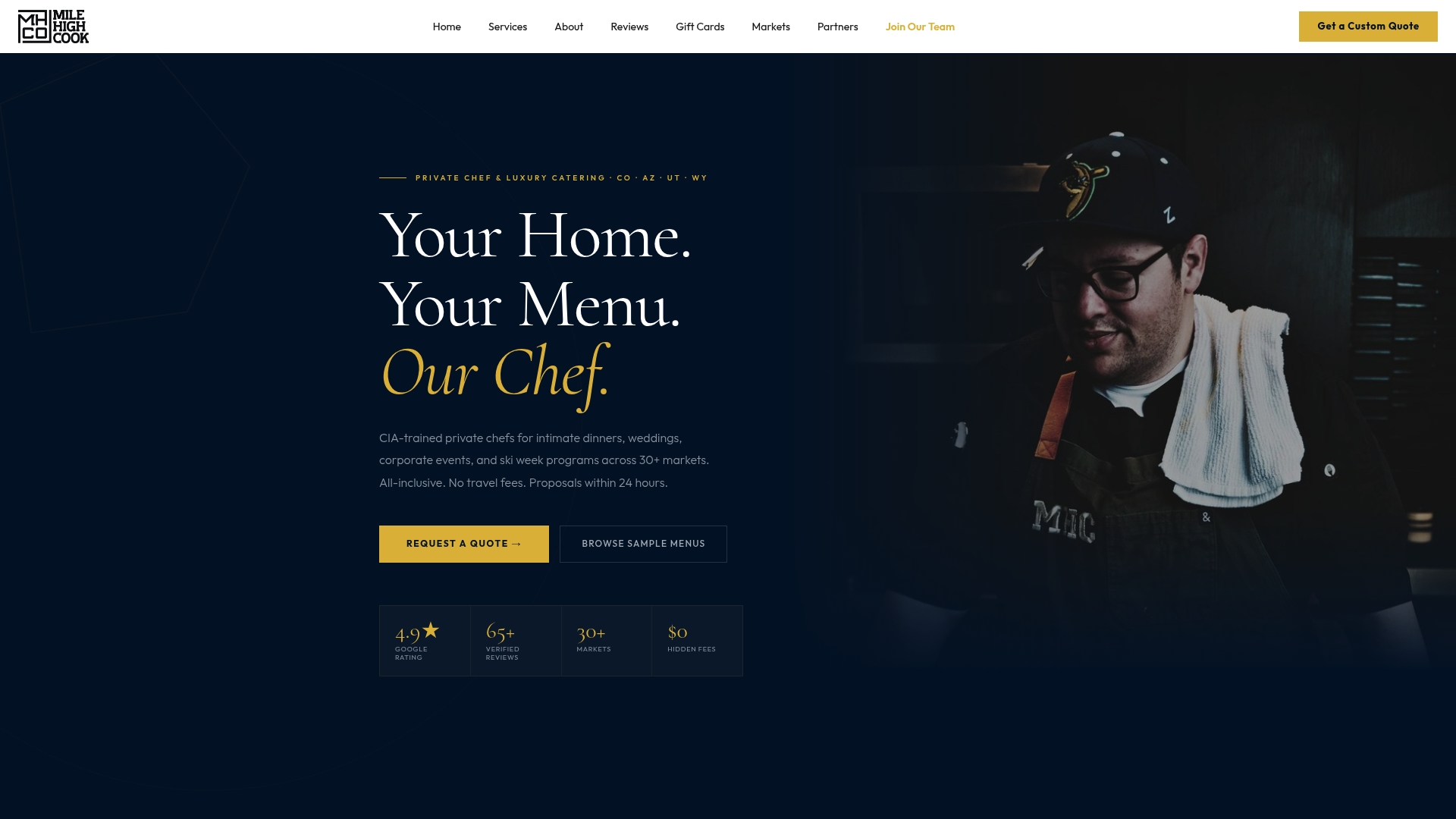
Milehighcook's CIA-trained private chefs specialize in inclusive corporate catering across Colorado, Arizona, Utah, and Wyoming. Every event begins with a detailed dietary intake process, and menus are designed around your attendees' actual needs, not a standard template with substitutions bolted on. The all-inclusive pricing model covers groceries, chef fees, service staff, and full cleanup, so there are no surprise costs when specialty ingredients are required. With a 4.9-star rating from over 65 verified reviews, Milehighcook delivers consistent quality whether you are hosting 10 executives or 200 employees. Explore private chef services to plan your next corporate event with dietary accommodation built in from day one.
FAQ
How early should I collect dietary restrictions for a corporate event?
Collect dietary data 5–10 days before small events and 1–3 months before large corporate conferences. Larger events require earlier data gathering so caterers have time to source specialty ingredients and adjust preparation protocols.
What dietary categories should a corporate event menu cover?
A corporate event menu should cover allergies (nuts, shellfish, eggs, dairy, soy, wheat), intolerances (gluten, lactose), religious requirements (kosher, halal), lifestyle choices (vegan, vegetarian), and medical conditions such as diabetes. Designing a base dish that clears the strictest constraints across these categories covers the majority of attendees.
What is inclusivity-first menu design?
Inclusivity-first menu design means building allergen-friendly, plant-forward dishes as the default rather than treating dietary needs as exceptions. Chef Christian Rumpler advocates this approach because it reduces social friction and improves the dining experience for all guests.
How do I handle last-minute dietary disclosures at an event?
Keep allergen-safe backup meals on-site and maintain relationships with local specialty food suppliers for short-notice delivery. Train your dietary liaison to handle last-minute requests discreetly and respectfully to minimize guest discomfort.
Why does allergy severity matter when sharing data with caterers?
Allergy severity determines the level of precaution required in food preparation. A guest with a severe nut allergy requires a dedicated prep station and separate utensils, while a guest who avoids nuts by preference does not. Sharing severity data prevents life-threatening cross-contact incidents.