

Budget 15–20% of your food and beverage subtotal for full-service catering gratuity, or $20–$50 per staff member for smaller events with less service. Before deciding on a tip, review your contract to see if a service charge or gratuity is already included as a line item. Delivery-only and drop-off orders run lower, usually $10–$20 flat or 10–15% for bigger orders.
TL;DR:
- Tipping for full-service catering generally ranges from 15 to 20 percent of the food and beverage subtotal, depending on service levels.
- Delivery-only orders typically warrant a flat $10 to $20 tip for small orders or 10 to 15 percent for larger or more complex setups.
- Staff tips should be handed to the event manager or captain, with cash, after service, or included in a sealed envelope, especially for small events.
- Many caterers include a service charge separate from tips, which may or may not be distributed to staff; always verify in writing before paying.
- Milehighcook offers all-inclusive prices that include staff, chef, and cleanup fees, removing confusion about gratuity and ensuring transparency.
Table of Contents
- What Should You Tip for Different Types of Catering Service?
- How Do You Tell a Service Charge Apart from a Gratuity?
- Who Actually Gets the Tip, and How Do You Give It?
- How Do You Calculate Tips for Deliveries and Complex Setups?
- When and How Should You Hand Over the Tip?
- How Does Milehighcook Handle Gratuity in Its Pricing?
- A Host's Quick Gratuity Checklist
- Book Catering Where Gratuity Is Never a Guessing Game
- Sources
- FAQ
What Should You Tip for Different Types of Catering Service?
Gratuity scales with how much your catering staff actually does. A team plating dinner tableside for four hours earns a different tip than a driver dropping off trays and leaving.

Full-service, plated events call for 15–20% of your food and beverage subtotal. This is the industry baseline, and it covers servers, kitchen staff on-site, and anyone managing the room during the event.
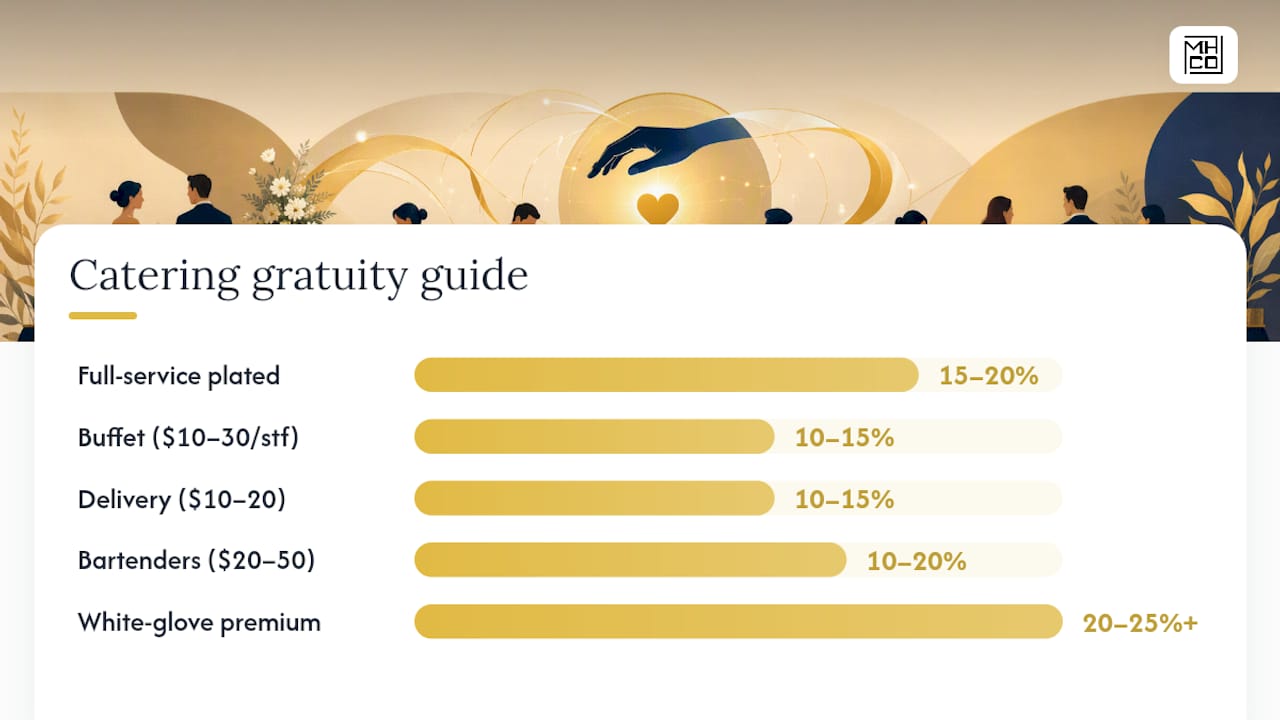
Buffet-style or minimal-service catering justifies a lighter touch: 10–15% of the subtotal, or $10–$30 per staff member for shorter events where the crew sets up, refills chafing dishes, and breaks down.
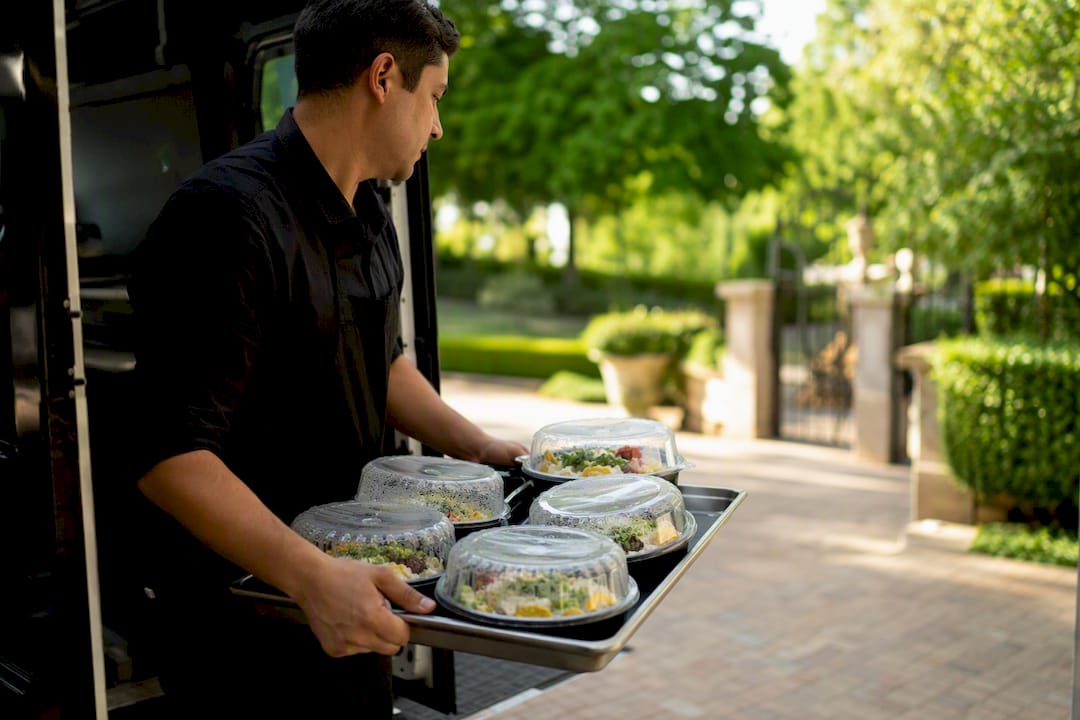
Delivery-only orders are the cheapest to tip. Small orders get $10–$20 flat; larger orders (think office lunches for 50+) run 10–15% of the total. Consider adding an extra tip if delivery staff assist with equipment or setup.
Bartenders typically receive 10–20% of the bar tab, or a flat $20–$50 per bartender for private parties. Check staffing ratios first, since a bartender-per-guest guide can help you figure out how many you actually need before you calculate the tip.
Premium or white-glove service, including on-site private chefs plating courses in real time, pushes the range higher: 20–25%, or an additional flat award on top of the standard gratuity. That extra percentage reflects the skill and coordination those chefs bring, not just table service.
How Do You Tell a Service Charge Apart from a Gratuity?
This is where most hosts get tripped up, and it can cost you double if you're not careful. A "service charge" and a "gratuity" sound interchangeable. They aren't.
A gratuity is money intended for staff. A service charge is often retained by the catering company to cover overhead, and in many cases it's taxed differently than a tip. Some caterers do pass a portion of the service charge to staff, but that's a business decision, not a guarantee.
Look for these terms on your invoice:
- "Service charge" or "administrative fee": confirm with your caterer whether any of it is distributed to your servers
- "Gratuity" or "tip" listed separately: this generally indicates that staff compensation is accounted for
- No mention of either: plan to budget a customary gratuity and verify with your caterer
Pro Tip: Email your caterer this exact question before signing: "Does the service charge on this invoice get distributed to serving staff, or is it retained by the company?" Get the answer in writing so there's no confusion on event day.
If the contract stays vague after you ask, budget the standard gratuity anyway and adjust down only after your caterer confirms it's already covered.
Who Actually Gets the Tip, and How Do You Give It?
Gratuity typically goes to the people working your event directly: servers, bartenders, the event captain or catering manager, and kitchen staff present on-site. Delivery drivers, sales coordinators, and off-site prep cooks usually aren't part of that pool unless your caterer specifies otherwise.
- Hand a lump sum to the manager or captain. This is the most common approach. You trust them to split it fairly among the team, and most caterers expect this method.
- Tip individuals directly with cash. This works for small events with one or two staff members, where you know exactly who did what.
- Reward a standout separately. If one server went above and beyond, hand them a discreet cash tip in addition to the group gratuity. No announcement needed. Just a quiet thank-you as they're loading the van.
For small events with minimal staffing, $20–$50 per server is a workable flat range when you'd rather skip percentage math entirely.
How Do You Calculate Tips for Deliveries and Complex Setups?
Delivery math is simpler than full-service catering, but multi-stop orders and heavy setups add wrinkles.
- Orders under $100: tip $10–$20 flat
- Larger orders: 10–15% of the total
- Substantial setup or equipment hookups (chafing racks, drink stations, tables): add $20–$40 on top
- Multiple drop-offs or drivers: tip per delivery if drivers are different people, or combine into one larger tip if it's the same driver making several stops
A $300 office lunch delivery with a quick drop-off might warrant a $35 tip. That same order with a full buffet setup and warming equipment could justify closer to $60–$70.
When and How Should You Hand Over the Tip?
Give the gratuity at the end of the event, directly to the manager or event captain, once service wraps and staff start breaking down. A check labeled "staff gratuity," a sealed cash envelope, or plain cash all work, depending on what your caterer prefers.
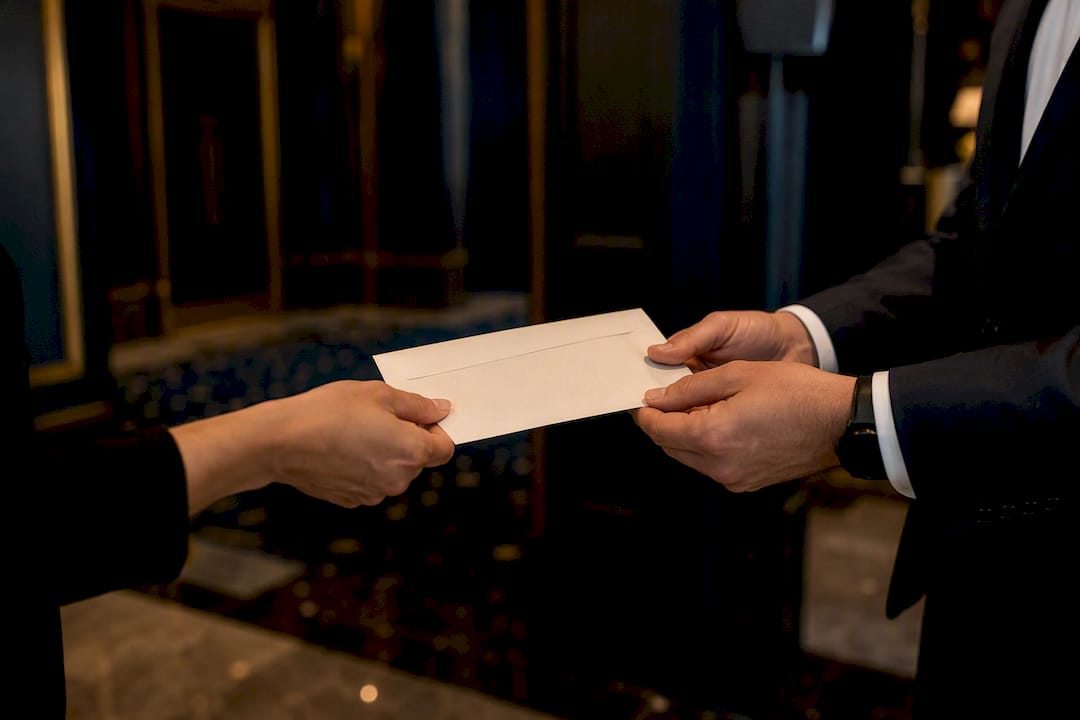
If no manager is on-site at the end, leave a sealed envelope with clear instructions with your venue contact. For corporate events, document the payment method and amount for your expense report so reimbursement doesn't stall later.
How Does Milehighcook Handle Gratuity in Its Pricing?
Milehighcook's all-inclusive pricing model folds groceries, chef fees, service staff, and cleanup into one quoted number before your event ever starts. That structure removes the guessing game entirely, because you know upfront what's covered and what, if anything, is left to tip.
- Contracts state clearly whether gratuity is included or left to the client's discretion
- CIA-trained chefs and vetted service staff work every booking across 30+ markets in Colorado, Arizona, Utah, and Wyoming
- Client feedback reflects a 4.9-star rating across more than 65 verified reviews
Say you book a dinner party quoted at $2,000 all-inclusive.
A Host's Quick Gratuity Checklist
Here's what I tell anyone booking a caterer for the first time: read the contract before you do anything else. Look for the words "service charge" and "gratuity" specifically, and don't assume they mean the same thing just because one number covers both in your head.
The single biggest mistake I see hosts make is assuming a service charge already covers the tip when the contract never actually says that. Confirm it in writing before you cut the final check. It takes one email and saves you from either shorting your staff or paying twice.
— Stephen
Book Catering Where Gratuity Is Never a Guessing Game
Milehighcook is the alternative to piecing together a caterer, a bar service, and a cleanup crew separately, then trying to figure out who gets tipped and how much. One quoted price covers groceries, CIA-trained chefs, service staff, and cleanup, so you're never left wondering whether a "service charge" on your invoice actually reaches the people working your event.

Every proposal states plainly whether gratuity is built into your quote or left to your discretion, in writing, before you sign anything. That clarity matters whether you're planning an intimate dinner or a full corporate catering event in Denver. If you're ready to see real numbers for your event, check private dining pricing starting at $150 per person and request a quote today.
Sources
For deeper detail on tipping math, service charge tax treatment, and per-server flat rates, see the catering tip calculator, the New York gratuities tax bulletin, and hidden fee breakdowns from The Catering Finder.
- Catering Tipping Guide: How Much to Tip for Catering
- New York State Department of Taxation and Finance — Gratuities bulletin
- Gratuity etiquette: How much to tip your catering staff
FAQ
What Is Standard Gratuity for Catering?
Standard catering gratuity runs 15–20% of the food and beverage subtotal for full-service events, or $20–$50 per staff member for smaller bookings with limited service.
Are You Supposed to Tip if You Pick Up a Catering Order?
Tipping is optional for pickup orders since no delivery or setup labor is involved, though a small gesture is appreciated if staff helped load or pack your order.
Do You Tip a Caterer That Drops Off Food?
Yes, tip $10–$20 flat for small delivery orders or 10–15% for larger ones, and add more if the driver handles setup or equipment.