
TL;DR:
- Private chefs create personalized dining experiences based on detailed intake, collaborative menu design, and precise execution. They arrive early, manage timing and logistics, and tailor each meal to dietary needs and occasion tone for memorable events. Ongoing communication and preference updates ensure menus remain relevant and customer satisfaction stays high.
A private chef customizes your dining experience by designing every element around your specific tastes, dietary needs, and the tone of the occasion. This is not a restaurant menu handed to you at the door. It is a fully personalized culinary experience built from a structured discovery process, collaborative menu drafts, and precision execution on the day of your event. Understanding how this process works helps you get far more out of every booking, whether you are planning an intimate anniversary dinner or a multi-family gathering.
How private chefs gather your preferences and dietary needs
The customization process starts with a discovery conversation, not a menu. Menu customization begins by understanding what the event means: the tone, the guest list, and the occasion dictate menu style and pacing before a single dish is chosen. A chef asking "What do you love to eat?" is doing far less than a chef asking "Who is coming, what are you celebrating, and does anyone at the table have a diagnosed gluten intolerance?"
Structured intake forms are the backbone of this step. A thorough intake captures:
- Event details: date, guest count, occasion type, and service style
- Favorites and dislikes: specific ingredients, cuisines, or flavor profiles each guest enjoys or avoids
- Allergies and intolerances: diagnosed conditions like celiac disease, shellfish allergies, or lactose intolerance
- Dietary protocols: vegan, keto, halal, kosher, or other structured eating patterns
- Kitchen context: appliance availability, tableware, and space constraints
Favorites and dislikes carry equal weight in this process. A dish that is technically safe can still disappoint if a guest deeply dislikes cilantro or raw onion. Chefs who treat dislikes as seriously as allergies produce menus that feel genuinely personal, not just medically compliant.
Pro Tip: If you hire a private chef on a recurring basis, ask for a preference refresh every 4–6 weeks. Preference profiles need regular updating to reflect new allergies, seasonal ingredient changes, and evolving tastes. What you loved in october may not excite you in march.
How does the menu design and approval process work?
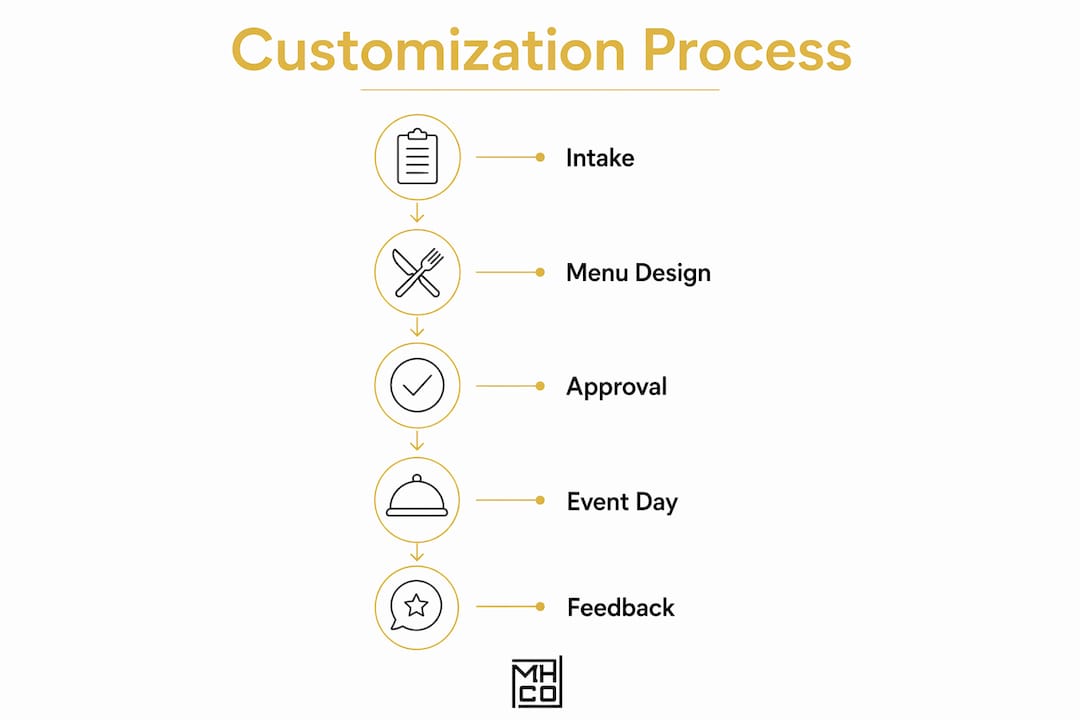
Once the intake is complete, the chef moves into menu design. This is where culinary creativity meets client input, and the workflow matters as much as the food itself.
- Discovery phase (1–2 weeks before the event): The chef reviews intake data, researches seasonal ingredients, and begins drafting course concepts aligned with the occasion's tone.
- Custom menu draft (5–7 days out): The chef sends a written draft with course descriptions, key ingredients, and any substitution notes for dietary needs. You review it and suggest swaps or additions.
- Client feedback round: You request changes. A good chef welcomes this. Swapping a beef tenderloin for duck breast or adding a cheese course takes minutes to adjust on paper.
- Final menu lock (48–72 hours before the event): Final confirmation locks the menu so the chef can source ingredients with precision and prepare mise en place without last-minute surprises.
This draft-and-confirm workflow does something important. It separates the chef's creative input from your preferences without letting either override the other. The chef is not just executing your grocery list. You are not just approving someone else's vision. The result is a menu that reflects both.
There are two distinct styles of menu design worth knowing. A chef-driven tasting menu gives the chef significant creative latitude within your stated preferences, producing a cohesive culinary narrative across 5–8 courses. A client-selected menu gives you more direct control over each course, which works well for guests with strong opinions or complex dietary combinations.
Pro Tip: Communication quality is a technical input, not just a courtesy. Vague labels like "I eat healthy" or "nothing too heavy" give a chef almost nothing to work with. Specific, confirmable details like "no raw fish, prefer umami-forward flavors, one guest is strictly vegan" produce dramatically better menus.
What happens on the day of your private chef event?
Event day execution is where customization becomes tangible. Every decision made during intake and menu design shows up in how the meal is timed, plated, and served.
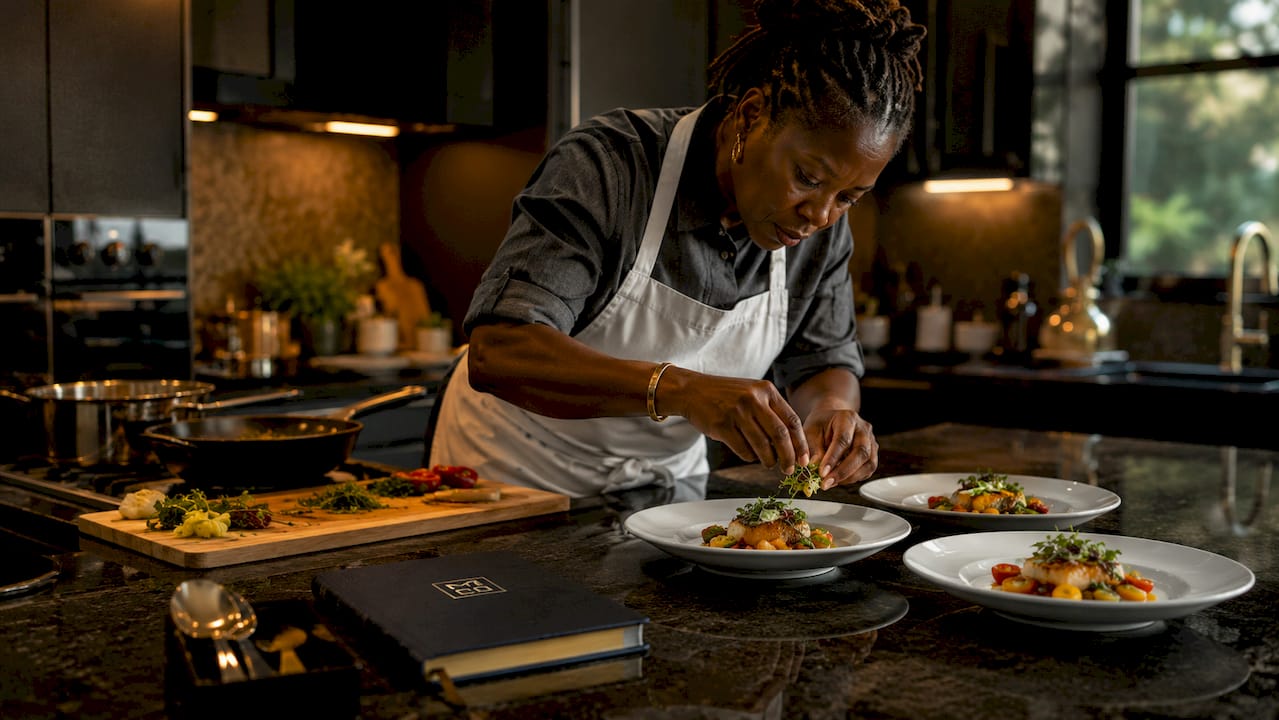
Private chefs arrive about an hour before service to set up, organize mise en place, and confirm kitchen logistics. That lead time is not padding. It accounts for equipment checks, plating station setup, and any last-minute adjustments to pacing based on how many guests have arrived and the energy of the room.
| Event phase | Typical timing | What the chef is doing |
|---|---|---|
| Arrival and setup | 60 minutes before service | Organizing ingredients, confirming equipment, plating station prep |
| First course service | Exact requested time | Plating and serving opener, reading guest pacing |
| Mid-course flow | Chef-managed intervals | Adjusting timing between courses based on guest conversation |
| Final course and dessert | Per menu plan | Plating dessert, preparing cleanup |
| Full cleanup | After dessert | Dishes, countertops, trash removal, kitchen restored |
Kitchen logistics directly affect how a menu is executed. A chef working in a kitchen with a single oven and limited counter space will pace courses differently than one with a full professional setup. Confirming oven capacity, stovetop burners, sink access, and available tableware before the event prevents improvisation that degrades the experience.
Chef-led timing is precision-engineered so hosts stay present and enjoy the event. You should not be thinking about when the next course arrives. That mental load belongs entirely to the chef. Quality private chef services, including those offered by Milehighcook, build this host-free experience into every booking. You can explore unique cooking styles that Milehighcook chefs bring to multi-course tasting menus.
How do private chefs customize for special occasions and dietary needs?
Special occasions require a different layer of customization beyond food preferences. The tone of the event shapes everything from course count to plating style.
A romantic anniversary dinner calls for a tighter, more intimate menu. Think 5–6 courses with elegant plating, wine pairings, and unhurried pacing. A family reunion with 20 guests across three generations calls for something entirely different: approachable flavors, flexible portions, and dishes that work across age ranges. Tasting-style menus with 5–8 courses are designed to match guest pacing, palate progression, and the tone of the night, replicating fine dining ambiance in a home setting.
Dietary diversity is one of the most underestimated challenges in private dining. A table with one vegan guest, one guest with a gluten intolerance, and one guest who eats everything requires a chef who builds menus with interchangeable components. Inclusive menus accommodate multiple dietary needs by creating flexible dishes, swapping ingredients like quinoa for gluten-free guests, while preserving flavor and presentation for everyone.
| Occasion type | Menu style | Key customization focus |
|---|---|---|
| Anniversary dinner | 5–6 course tasting | Intimate pacing, elegant plating, wine pairing |
| Family reunion | Flexible, family-style | Broad flavor appeal, dietary accommodations |
| Corporate dinner | 4–5 course formal | Neutral flavors, professional presentation |
| Birthday celebration | Client-selected courses | Guest favorites, personalized dessert |
Seasonal and local ingredients add another dimension to personalization. A chef sourcing Colorado lamb in the fall or Utah stone fruit in the summer creates a menu that feels rooted in time and place, not generic. This is the kind of detail that separates a memorable meal from a competent one.
- Seasonal sourcing connects the menu to the moment of the occasion
- Local ingredients often carry better flavor and support regional producers
- Flexible dish components let one recipe serve multiple dietary needs simultaneously
- Feedback after each event refines the next booking for repeat clients
Key takeaways
A private chef customizes your dining experience through structured intake, collaborative menu design, and precision execution that removes all logistical burden from the host.
| Point | Details |
|---|---|
| Intake drives everything | Detailed discovery conversations capture favorites, dislikes, allergies, and occasion tone before any menu is drafted. |
| Menu design is collaborative | Chefs send drafts 5–7 days out and lock final menus 48–72 hours before the event to balance creativity with client input. |
| Event day is fully managed | Chefs arrive an hour early, manage course timing, and complete full cleanup so hosts stay present throughout. |
| Dietary needs require specificity | Vague labels produce generic menus; confirmable details like diagnosed intolerances and specific dislikes produce genuinely personal ones. |
| Ongoing clients benefit most | Preference profiles refreshed every 4–6 weeks ensure menus evolve with changing tastes and seasonal ingredients. |
What most people miss about communicating with a private chef
The part of private chef customization that gets the least attention is also the most consequential: the quality of what you tell the chef before the event.
Most clients focus on allergies and assume that covers it. It does not. I have seen beautifully executed menus fall flat because a guest strongly dislikes a dominant ingredient that was never flagged. Dislikes are not preferences. They are the difference between a guest who eats politely and one who genuinely enjoys every course. A chef who asks about dislikes with the same rigor as allergies is doing something most do not.
The other thing worth saying plainly: the intake conversation is not a formality. It is the most important technical input in the entire process. Clients who treat it as a quick checkbox exercise get menus that are safe but not personal. Clients who invest 20 minutes in a detailed, honest conversation get something that feels like it was made specifically for them. Because it was.
For repeat clients, the relationship compounds over time. A chef who has worked with you across four or five events knows your rhythm, your guests' preferences, and the kinds of moments you are trying to create. That accumulated knowledge is genuinely hard to replicate elsewhere, and it is one of the strongest arguments for building a long-term relationship with a single chef or service rather than booking a different provider every time. If you are weighing your options, the private chef vs. restaurant comparison is worth reading before your next special occasion.
— Stephen
Milehighcook's approach to personalized private dining
Milehighcook builds every event around the same structured customization process described in this article, executed by CIA-trained chefs across 30+ markets including Colorado, Arizona, Utah, and Wyoming.
Every booking starts with a detailed client consultation to capture preferences, dietary needs, and occasion tone. From there, Milehighcook's chefs craft tailored multi-course menus with full client review before the event. The all-inclusive pricing model covers groceries, chef fees, service staff, and complete cleanup, so there are no surprise costs. With a 4.9-star rating from over 65 verified reviews, Milehighcook delivers a consistent standard that marketplace models cannot match. Browse sample menus to see the range of personalized options available, or book a consultation to start building your event.
FAQ
How does a private chef learn your food preferences?
A private chef gathers preferences through a structured intake conversation and written form that captures favorites, dislikes, allergies, dietary protocols, and occasion details for every guest at the table.
When is the final menu confirmed before an event?
Final menus are locked 48–72 hours before the event, after a draft is reviewed and revised with client feedback during the 5–7 days prior.
Can a private chef accommodate multiple dietary restrictions at one table?
Yes. Inclusive menu design uses flexible dish components with interchangeable ingredients, allowing one core recipe to serve vegan, gluten-free, and allergen-sensitive guests without compromising flavor or presentation.
What does a private chef do on the day of the event?
The chef arrives about an hour before service, manages all course timing and plating, and performs full cleanup after dessert, including dishes, countertops, and trash removal.
How often should preference profiles be updated for ongoing private chef services?
Preference profiles should be refreshed every 4–6 weeks to account for new allergies, seasonal ingredient availability, and any changes in taste or dietary needs.