
TL;DR:
- Tableside service involves preparing or presenting dishes directly at the guest's table, creating an engaging dining experience.
- It uses specialized equipment and skilled staff to perform techniques like flambéing and carving that add flavor and spectacle.
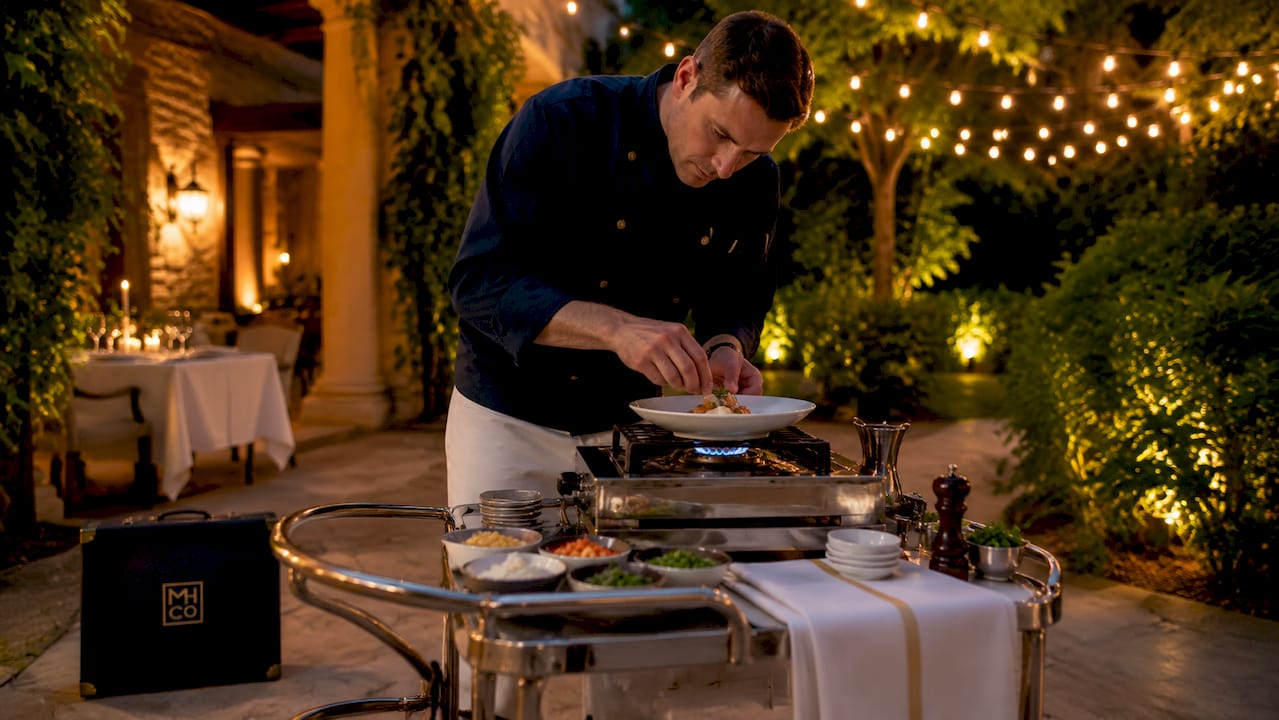
Chef tableside service is defined as a fine dining technique in which a chef or trained server prepares, finishes, or presents dishes directly at the guest's table, combining culinary skill with live theatrical presentation. Known formally as guéridon service, this practice uses a specialized mobile trolley equipped with burners, cutting boards, and ingredient storage to extend kitchen functionality into the dining room. The result is an experience that is equal parts meal and performance. For anyone planning a special occasion, understanding what is chef tableside service is the first step toward choosing a dining format that leaves a lasting impression.
What techniques and dishes define tableside service?
Tableside cooking covers a wide range of culinary techniques, from flambéing and carving to mixing and filleting. Each method is chosen because it benefits from being performed in front of the guest, either for flavor, texture, or pure spectacle. The technique must add real value to the dish, not just visual drama.
Classic tableside preparations include:
- Flambéing: Bananas Foster and Crêpes Suzette are ignited tableside, with the flame caramelizing sugars and adding depth of flavor.
- Carving: Large roasts like Beef Wellington are sliced at the table, preserving juices and allowing guests to choose their preferred cut.
- Mixing: Caesar salad and steak tartare are assembled fresh, with dressings and seasonings adjusted to each guest's preference.
- Filleting: Whole fish like Dover sole are deboned tableside, showcasing knife skill and ensuring the fish is served at peak temperature.
- Flambéed cocktails and dessert carts: Modern tableside carts now serve cocktails, artisan cheeses, and elaborate desserts, creating shared culinary moments for groups of 4–6 guests.
Chef Jenner Tomaska describes tableside service as a "moment of discovery" where surprise presentations heighten guest excitement. That surprise is not accidental. It is the product of careful recipe development and rehearsed execution.
Restaurants also use tableside moments to help guests try unfamiliar dishes. Watching a preparation demystifies the process and makes adventurous choices feel approachable. A guest who might skip a raw preparation on a menu will often try steak tartare after watching it assembled at their table.
Pro Tip: When booking a tableside dining experience, ask in advance which dishes are prepared tableside. Some venues reserve this service for specific courses or tasting menus, so knowing ahead of time lets you plan the full experience.
How does tableside service elevate special occasions?
Tableside service transforms a meal into a performance of hospitality, where ceremony and unhurried interaction take center stage. For a birthday dinner, anniversary, or corporate event, this format signals that the occasion deserves more than a plate arriving from the kitchen. The guest becomes a participant, not just a recipient.
The interactive nature of chef-led dining service drives genuine engagement. Guests watch, ask questions, and sometimes make choices that shape the dish. That participation creates a personal connection to the food that a standard plated course cannot replicate. Research confirms that interactivity boosts satisfaction and social engagement, encouraging conversation and shared memory-making.
Tableside service also suits special occasions because it slows the pace of the meal deliberately. There is no rush. The preparation itself becomes part of the event. For a proposal dinner or a milestone celebration, that unhurried rhythm communicates care and attention in a way that resonates long after the meal ends.
The benefits of tableside service for special occasions include:
- Personalization: Seasonings, portion sizes, and finishing touches are adjusted in real time based on guest preference.
- Conversation starter: The preparation gives guests something to watch and discuss, breaking any awkward silences naturally.
- Perceived luxury: The visible labor and skill signal premium quality, reinforcing the specialness of the occasion.
- Memorability: Guests remember experiences that engage multiple senses. The sight of a flambé, the sound of a sizzle, and the aroma of a sauce finishing tableside create a multi-sensory memory.
Pro Tip: For group events, request that tableside preparations be timed to moments when all guests are seated and present. A flambé or carving loses its impact if half the table is still arriving.
What are the logistics behind effective tableside service?
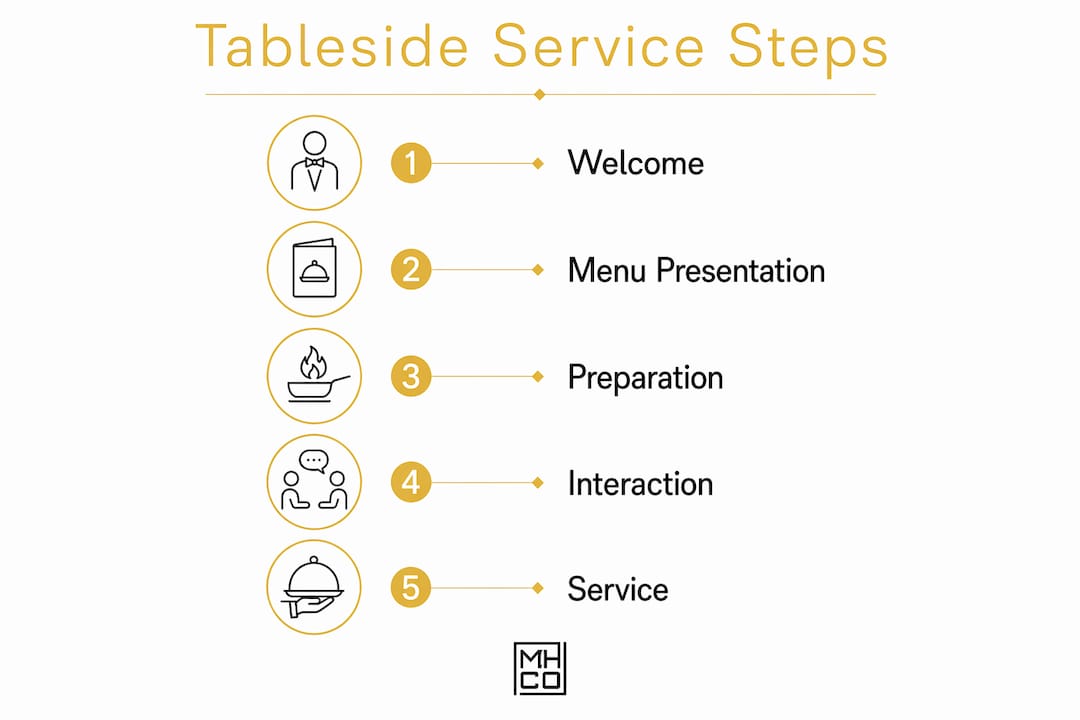
Delivering tableside service well requires more than a trolley and a burner. The chef de rang leads the tableside preparation and handles all guest interaction, while the commis de rang manages logistics, replenishes supplies, and coordinates with the kitchen. This two-person team structure is the backbone of classical guéridon service, and its precision is what separates polished execution from awkward theater.
The equipment requirements are specific. A guéridon trolley must include a heat source, a flat working surface, storage for mise en place, and often a carving station. Venues need adequate floor space to maneuver the trolley without disrupting neighboring tables. In private dining settings, this spatial planning happens before the event, not during it.
| Factor | Traditional approach | Modern adaptation |
|---|---|---|
| Staffing | Dedicated chef de rang and commis | Private chef handles both roles |
| Equipment | Fixed guéridon trolley with gas burner | Portable induction units and modular carts |
| Menu scope | Classic French dishes only | Expanded to cocktails, cheese, and desserts |
| Space needs | Large formal dining rooms | Adaptable to private homes and event spaces |
| Inventory control | Kitchen-managed portioning | Pre-portioned mise en place per table |
Training is a significant operational cost. Staff must master both culinary technique and guest interaction simultaneously. Suboptimal execution creates awkward service moments or wasted inventory, since hygiene rules forbid re-serving any partially prepared item shown to guests. That waste is built into the cost model.
Tableside service costs are embedded in menu pricing to reflect higher labor, skill, and entertainment value. Guests pay for heightened attention and specialized expertise as part of the meal. For private events, this pricing model is typically all-inclusive, covering the chef, service staff, and all preparation.
Successful tableside service also demands detailed inventory control and close coordination between the trolley team and the kitchen. A missed mise en place item mid-preparation is visible to every guest at the table. That visibility is what makes preparation and rehearsal non-negotiable.
What are the latest trends in chef tableside service?
Tableside service is experiencing a deliberate revival, and it is not nostalgia driving the trend. The return of tableside service is a conscious reaction to fast-paced dining culture, prioritizing slow, visible craftsmanship over speed and frictionless delivery. Diners who eat quickly and alone most of the week seek the opposite on special occasions.
Current trends shaping the tableside dining experience in 2026 include:
- Clay-baked and theatrical presentations: Dishes sealed in clay or salt crusts are broken open tableside, creating a moment of discovery that adds surprise and excitement. Extensive R&D goes into maintaining temperature and texture outside a traditional kitchen environment.
- Cocktail and beverage carts: Bartenders now bring the bar to the table, mixing drinks with fresh ingredients and house-made bitters in front of guests.
- Artisan cheese and charcuterie trolleys: Cheese sommeliers present selections tableside, explaining provenance and pairing suggestions in real time.
- Private and in-home dining: The strongest growth in tableside service is happening outside restaurants. Private chefs bring unique cooking styles directly into homes, vacation rentals, and event venues, making the format accessible for intimate gatherings.
- Dessert theater: Liquid nitrogen ice cream, tableside chocolate fondue, and hand-torched crème brûlée are now standard in upscale private dining programs.
The private dining sector is particularly well-suited to tableside service because the format thrives in smaller, more intimate settings. A private chef working for eight guests can give every person at the table a genuine moment of interaction. That level of attention is difficult to replicate in a restaurant serving 80 covers per night.
Technology also plays a role. Portable induction burners, precision temperature tools, and pre-portioned mise en place systems allow chefs to execute complex tableside preparations with the same consistency they achieve in a professional kitchen. The result is a format that feels spontaneous but is built on rigorous preparation.
Key Takeaways
Chef tableside service delivers its greatest value when skilled execution, purposeful technique, and genuine guest interaction combine to make a special occasion feel truly unrepeatable.
| Point | Details |
|---|---|
| Core definition | Guéridon service prepares or finishes dishes on a mobile trolley at the guest's table. |
| Technique matters | Flambéing, carving, and mixing must add real flavor or texture value, not just visual drama. |
| Special occasions benefit most | Tableside service slows the meal, personalizes each course, and creates multi-sensory memories. |
| Logistics require planning | Two-person staffing, specialized equipment, and pre-portioned mise en place are non-negotiable. |
| Private dining leads growth | In-home and event-based tableside service is the fastest-growing format in 2026. |
Why tableside service is worth seeking out
I have watched tableside service done brilliantly and done badly, and the gap between the two is enormous. When it works, a flambé or a tableside carving stops every conversation at the table. Guests lean in. They ask questions. The meal becomes the event, not just the backdrop to it.
What most articles miss is that tableside service is not really about the food. It is about acknowledgment. When a chef prepares something in front of you, they are saying that your time and your occasion matter enough to warrant this level of attention. That message lands differently than a beautifully plated dish arriving from a kitchen you never see.
My honest advice: do not settle for tableside service as a gimmick. Ask whether the preparation genuinely improves the dish. A Caesar salad mixed tableside tastes better because the dressing is made fresh and adjusted to your preference. A dessert flambéed tableside has a caramelized depth you cannot achieve in advance. If the tableside element does not improve the food, it is theater for its own sake, and that wears thin quickly.
For special occasions, the private chef vs. restaurant question often comes down to exactly this. A private chef can dedicate every tableside moment to your group alone. That focus changes the entire character of the experience.
— Stephen
Milehighcook brings tableside dining to your next event
Planning a special occasion means every detail counts, including who is cooking and how.
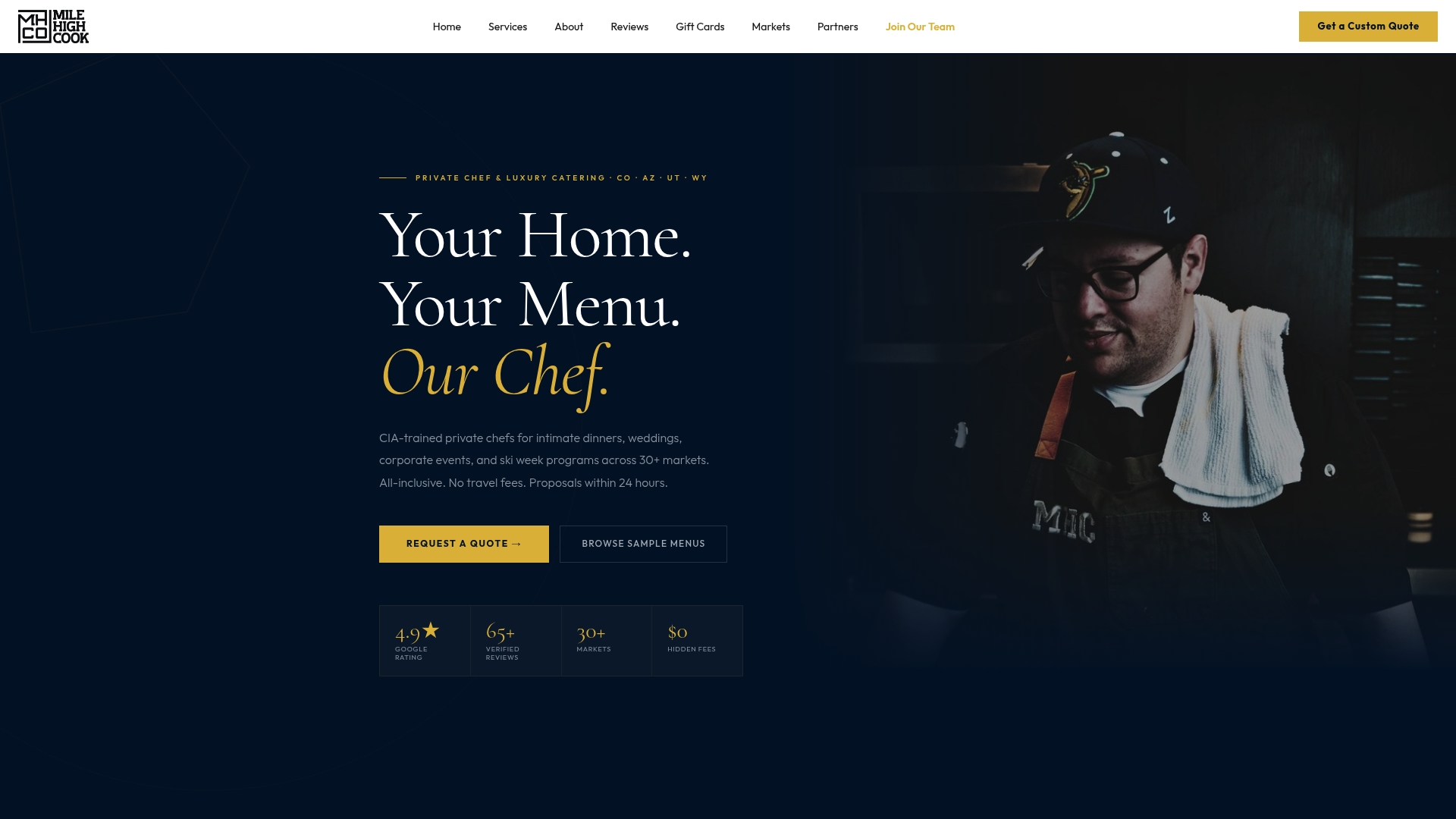
Milehighcook's CIA-trained private chefs bring chef-led dining service directly to your home, vacation rental, or event venue across Colorado, Arizona, Utah, and Wyoming. Every booking includes groceries, chef fees, service staff, and full cleanup under one all-inclusive price. With a 4.9-star rating from over 65 verified reviews, Milehighcook delivers a consistent standard of quality whether you are hosting an intimate dinner for four or a corporate event for fifty. Explore private chef services and bring a personalized tableside experience to your next special occasion.
FAQ
What is guéridon service in fine dining?
Guéridon service is the formal term for chef tableside service, where dishes are prepared or finished on a specialized mobile trolley at the guest's table. The service is typically led by a chef de rang supported by a commis de rang.
What dishes are commonly prepared tableside?
Classic tableside dishes include Caesar salad, steak tartare, Bananas Foster, Beef Wellington, and Crêpes Suzette. Modern adaptations also include tableside cocktails, cheese presentations, and clay-baked preparations.
Why does tableside service cost more than standard dining?
Tableside service requires additional trained staff, specialized equipment, and pre-portioned mise en place for each table. Those labor and skill costs are built into menu pricing, and guests pay for the heightened attention and entertainment value as part of the meal.
Can tableside service work for private or in-home events?
Private and in-home dining is currently the fastest-growing setting for tableside service. A private chef can deliver the full guéridon experience in a home, vacation rental, or event space with portable induction equipment and pre-planned mise en place.
How do I request tableside service for a special occasion?
Ask your venue or private chef in advance which courses or dishes are available tableside. For private events, services like Milehighcook allow you to customize the menu and specify tableside preparations as part of the booking process.